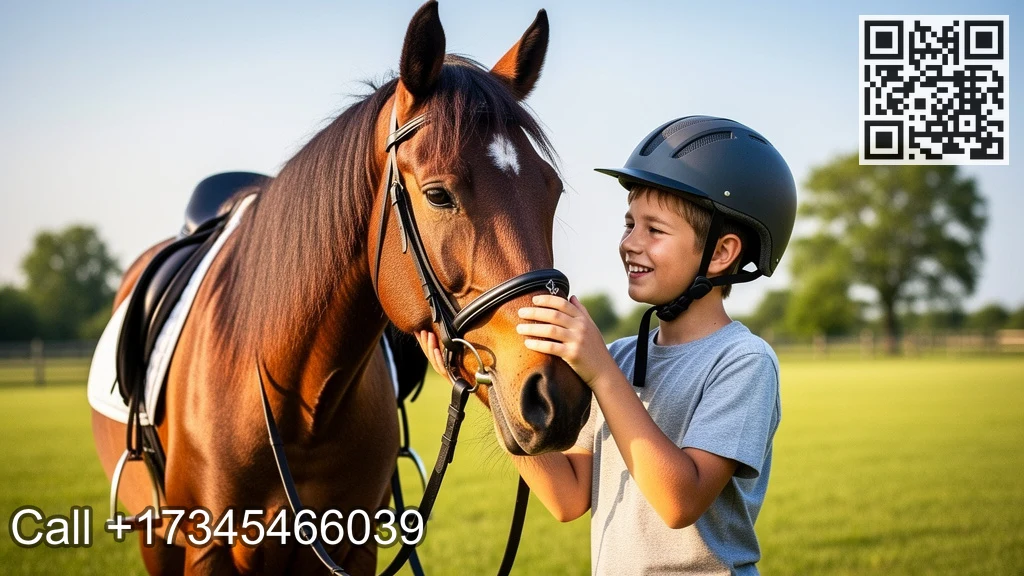
The very first time I watched a ten year old with ADHD ask a pony to back 3 actions, the entire sector moved. He had been jumping considering that the minute his boots hit the crushed rock, words rolling out faster than his brain could confine them. Then he breathed out, squared his shoulders, moved his by far the lead rope, and asked. The pony blinked, rocked her weight, and went back. Three tidy actions. Silence fell in an excellent way, the kind where interest narrows and a child realizes, I did that. We did that. If you have actually worked with children or adults who live with ADHD, you understand exactly how rare and valuable that kind of peaceful skills can feel.
Therapeutic horsemanship and the more comprehensive family of equine-assisted services do not heal ADHD. They do something less showy and more useful. They develop a setup where the nerves can work out, where focus borrows the rhythm of hooves, and where success is anchored in the body instead of a checklist. The learning sticks due to the fact that it is really felt, not simply taught. When a horse moves when you breathe, that lesson lives in the muscles and the midbrain, not just the prefrontal cortex that often tires before the end of a school day.
Why steeds fit ADHD brains
ADHD is not a lack of interest. It is a rate of interest based nervous system that prioritizes novelty, definition, and seriousness. The friction turns up when jobs feel level or effects are remote. Horses, being victim pets, provide instant and sincere comments. They check out pose, breath, and intent the means we read text, and they mirror it back without judgment or mockery. You slouch with spread power, they wait or wander. You straighten your feet, concentrate your eyes, and soften your jaw, and they link. That loop gives the ADHD brain what it likes best, live response.
There is likewise the gift of rhythm. Stride patterns lug foreseeable sensory input. At a walk, each action uses a gentle 3 dimensional motion through the motorcyclist's pelvis and spinal column. For lots of clients, particularly those who seek stress and anxiety assistance with horses, that recurring persuade organizes the body in a manner that calms thought spirals. On the ground, leading an equine with posts or cones provides a comparable cadence. The work has a clear start and end, and the steed's mass demands existing minute interest. A half load pet will maintain you sincere about where your feet go.
Finally, steeds welcome somatic awareness. Before a change or a turn, we teach cyclists to check jaw, shoulders, breath, and tummy. That check becomes a mobile skill. Parents inform me they hear their kids whispering barn hints before math examinations or bedtime. Equine-facilitated health care do not require lingo to be reliable. The body is the classroom.
Groundwork prior to saddles
People often wish to leap directly to riding. The saddle has its magic, however ADHD equine learning assistance usually begins with foundation. Early sessions typically appear like a strolling meditation disguised as a barn job. We brush a steed with long strokes that comply with the layer, we select unguis with intentional care, and we lead in patterns that string with each other fast victories. These tasks train sequencing without the weight of a worksheet. They additionally prime the steed human relationship.
I go for sessions that move every ten to fifteen mins. For a 8 years of age who flares when asked to sit still, this might suggest 3 segments: brushing with a goal, a barrier pattern on a lead, then mounted strolling with guiding games. For a teenager, we might invest the entire hour on the ground improving a freedom circle since that is where the trigger lives that day. ADHD prospers when objective meets movement. Equine-assisted tasks supply both.
When focus fractures, the horse uses a mirror. If a customer jerks the rope while glancing at a bird, the steed will typically elevate its head or walk past the halt. Instead of reprimand, I can indicate the horse. See how he lost you when you looked away. Attempt again, eyes on the cone. That prompt psychophysiological feedback turns modification into curiosity.
The scientific research that clarifies the smile
We do not require to dumbfound what is happening. The vestibular and proprioceptive systems, the ones that inform us where we remain in area, get a steady stream of input throughout both placed and unmounted work. For lots of with sensory challenges, this is not just positive, it is regulative. The deep stress of grooming, the bilateral sychronisation of leading on the right and afterwards the left, and the straight activity of the stroll all feed systems that usually run either too warm or as well cold. Call it alternate therapy for sensory difficulties if you like, but what it actually offers is a laboratory where guideline can be experimented a companion who cares if you are tuned in.
On the cognitive side, we build executive feature by requesting for planning and sequencing in bite sized, symbolized means. For instance, set a five post fan on the ground. The customer picks a course, names the steps aloud, and after that leads or experiences the course. If we miss a pole, we reset the series and attempt once again. There is no worksheet to lose, and the benefit is visceral, a tidy arc without any clatter.
This is where experiential understanding with steeds radiates. It is not a lecture about impulse control, it is an online demonstration. You breathe also quickly right into a stop, the horse leakages ahead. You reset and find a slower exhale, the horse stops square. We anchor the lesson with words just after the body has tasted success.
Clear roles, tidy language
Families frequently ask me to describe the alphabet soup: therapeutic horsemanship, equine-assisted training, equine-facilitated mentoring, equine-assisted services. Here is the simple version. Healing horsemanship generally indicates adaptive riding and horsemanship educated by teachers with specialized training, typically with organizations like course Intl. These sessions target practical objectives like balance, sychronisation, attention, and interaction. Equine-assisted training sits in the personal growth camp, more concerning behaviors, leadership, and mindset than professional therapy. Equine-facilitated health is a wider umbrella that can include mental wellness work with licensed specialists, as well as body based methods like breathwork, sensory integration, and mindfulness. All share one presumption, the equine is a partner, not a prop.
If a client is resolving a certain diagnosis like ADHD or autism, I work together with their existing group. For an autism equine discovering program, we may align with ABA or work treatment objectives. For ADHD, we may track on job periods or transitions between recommended and non preferred tasks. The tag is less important than the quality of the plan.
A day at the barn, min by minute
Most focus controlled sessions operate on a rhythm. A sample 60 min port for a 9 years of age could look like this.
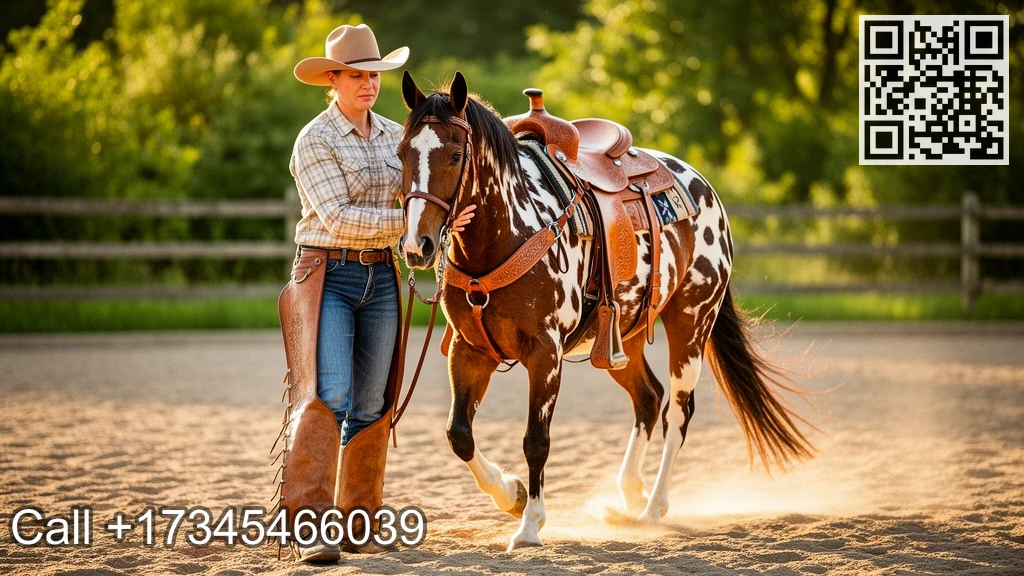
- Arrive and sign in. Headgear on, body scan, and a 2 sentence prepare for the hour. The guideline is straightforward: state what we are doing, not what we are avoiding. Grooming with objective. Choose three body components, brush to radiate, and matter strokes aloud. We select unguis with an entrusted to right series, then swap sides and repeat. Ground pattern. Lead with a triangular of cones, quit at each point, and back three actions at the last cone. The customer calls the cues to the horse aloud, one breath for each and every ask. Mount and experience. Walk on, whoa, and turns making use of eye focus and belly breath. We include a post pass if emphasis holds. Otherwise, we circle back to stops and clear lines. Cool down and debrief. Hand walk, after that a 2 minute representation: What functioned. What we will try next time. The horse gets a scrape in his favored area as thanks.
The aim is not to stuff the program. The purpose is to produce a steady pattern the customer can forecast. Predictability is a compassion to the ADHD mind, and it liberates energy for the work that matters.
Sensory arrangement that saves the day
Barns are busy places. Appears bounce. Scents travel. For a client with sensory level of sensitivities, a tiny change early can avoid a blowup later on. I keep tools organized by shade and structure so the brain does not need to search. We brush in a quiet edge, far from banging gates. I prefer horses with a soft eye and a vast ribcage that provides a lot more direct motion and much less side to side sway. If a child is delicate to girths and bands, we start bridleless groundwork or bareback pad trips to build trust prior to including extra equipment. For a grown-up client that longs for deep pressure, a surcingle strap under the hand can carry that need safely instead of securing the reins.
Veterans of equine-assisted services will certainly tell you, the very best sessions typically look straightforward from the exterior. The magic is in the setup.
Turning impulsivity right into an asset
One of my preferred components of ADHD equine discovering assistance is watching so called impulsivity turn into fast read, fast act leadership. In the field, rapid is tolerable by default. It is just high-risk when it is blind. We trainer customers to shift rate from a response into an ability. You can scoot after you see. That is the mantra.
A teen that screws via directions in class may become one of the most reliable leader on a ground driving exercise. She notices the equine's shoulders starting to drift and deals with prior to I say a word. We call the win: That was rate with understanding. Store that feeling.
Mounted video games use this too. Barrel weaving or post flexing at a walk demands continuous mini decisions. We train eyes to the next target, not the one under your nose. The body complies with eyes. Several ADHD motorcyclists grow on that unbroken chain of little, significant options. They leave the sector with cheeks purged and an easy sentence, I can feel my thinking.
Coaching that values the horse
Equine-assisted mentoring borrows devices from management development due to the fact that equines will certainly not adhere to unpleasant interaction. Customers discover to set a clear purpose, choose a path, and devote. Fifty percent asks from half bodies generate half reactions. It is a fair system.
In group building with equines, the very same concepts scale. I have enjoyed corporate groups stand in a circle a mare, everyone trying to lead at the same time. The mare plants her feet in the dirt and blinks. We pause and assign duties, one lead, one support, one onlooker. The mare sighs and actions off like it was her idea. ADHD employee typically excel right here, identifying patterns and stimulating the team when the strategy delays. The equine's nonverbal truth telling keeps the power from tipping right into chaos.
When anxiety shows up, we use the very same respect. Anxiety support with horses is not about requiring calmness. It is about carbon monoxide regulating with an animal that demands present tense honesty. If a customer's hands shake, we name it and root feet to ground. We breathe until the equine's eyelids soften. After that we take one step, not twenty. Progression that holds beats proceed that charms after that shatters.
Safety, authorization, and fit
Every equine program, healing or otherwise, trips on safety and approval. Steeds obtain a say. Clients obtain a say. If a horse pins his ears during grooming, we readjust stress or positioning. If a client balks at placing, we park the saddle and function a freedom circle till both bodies clear up. Stating no in the barn is not failing. It is method for the rest of life.
Not every steed fits every client. Some equines tolerate fidgeting, others find it startling. I keep a small herd with different temperaments so I can couple a stable, reduced react mare with a high power child and a more receptive gelding with a teenager who benefits from delicate comments. We switch over sets as skills grow.
Edge cases issue. Extreme allergies to dander or hay call for planning, sometimes with a masked session or outdoor grooming only. A background of injury around pets requires slower pacing and more control offered to the client. For clients with autism who favor clear, unvarying regimens, I keep one challenge design constant for weeks before presenting a brand-new variable.
When riding helps, and when it does not
Mounted work grabs focus, but it is not always the very best tool. If a customer's postural control is still creating, a 15 minute ride can drain focus for the remainder of the hour. In those situations, we build core and balance on the ground first. When we ride, we keep it brief and upright a success, not a wobble. On the other hand, I have customers for whom the saddle is the only area their mind silences. They arrive messy, accumulate, and find a breathing pattern on the 2nd lap. We adhere to that thread.
One sincere boundary: steeds are not a one dimension response for extreme behavior situations. If a customer is in a phase of regular hostility or residential property damage, we usually stop briefly equine work or structure it with added professionals on site. The barn must remain safe for everyone.
What progress looks like in genuine numbers
Families need to know exactly how to gauge success without transforming the barn into college. We track a couple of straightforward metrics because numbers defend against increased colored stories. For very early sessions, I record mins on job prior to a redirection. A regular variety steps from 2 to 5 minutes in the very first month, towards 8 to 12 minutes by month 3. I also note the number of changes completed without motivates, such as relocating from grooming to leading or from resulting in mounting. We commemorate when a client goes from no unprompted changes to 1 or 2 in a session.
Skill markers matter also. Leading an equine at the shoulder with a slack rope for a 50 foot straight line is a high degree interest task. So is riding a square of four cones with clear corners at the walk. These are not mystical objectives. They move. A straight line lead feels like walking to course without drifting. A square of cones feels like finishing 4 actions of a morning routine, each with a beginning and an end.
Working across disciplines
When equine-assisted services become part of a wider plan, the gains intensify. Occupational therapists can send out target sensory diets that we include via grooming pressure and installed tasks. School teams can share IEP goals around sustained attention or self advocacy. We report back in simple language, such as, Client used the body check script separately two times today prior to asking the steed to stop. If a psychological health and wellness company is included, sessions can include carbon monoxide policy exercises that tie directly to treatment homework.
This cross talk keeps the barn from ending up being a silo. It also aids parents see patterns. The breath that quits an equine comes to be the breath that avoids a sibling disagreement from escalating.
A short, barn prepared checklist for ADHD riders
- Hydrate before arrival, and pack a tiny treat that does not leave sticky hands. Wear layers that can shed warm or add heat without fuss, plus boots with a closed toe and a small heel. Arrive five mins early to clear up, use the toilet, and review goals. Bring a familiar manuscript for regulation, such as a 3 step body scan, and practice it in the car. Plan a blog post session barrier of 10 to fifteen minutes before the following need to lock in gains.
Games that instruct without nagging
Most understanding in the sector hides inside play. A favorite for impulse control is Red Light, Green Light at the stroll. We add yellow, which means prepare, not yet. The biker finds out to take a breath down, shorten stride, and after that quit on red. Groundwork versions make use of a cone as the traffic light, and the horse sees the exact same signals the client is finding out to send out. One more dependable game is the mail box path. We established 2 barrels like mail boxes on contrary sides of the arena. The cyclist accumulates a letter at one, lugs it very carefully, and supplies it to the other. Guiding, pacing, and intending bloom without a lecture.
When focus tears, we narrow the target. Rather than a six cone serpentine, we do 2 excellent turns with clear eyes and peaceful hands. Customers find out to shut the loophole on little tasks, which frequently anticipates far better follow up at home.
The softer abilities that last
Parents often enlist for focus and leave discussing self-confidence and compassion. Horses show permission regularly. You can not require a thousand extra pound partner without terrifying them and on your own. You learn to ask. You find out to wait. You discover that your inside climate adjustments your outdoors results, and you get honest regarding managing that weather.
For clients who have listened to a lifetime of no, the barn distribute yes in consistent dosages. Yes, you https://beaupzlk955.lucialpiazzale.com/sensing-safety-alternative-therapy-for-sensory-challenges-with-steeds can lead that steed throughout water with the right arrangement. Yes, your breath altered his feet. Yes, your nervous system can downshift on cue. These are not abstract affirmations. They are observed facts.
For grownups who never found their seat
Plenty of adults with ADHD arrive decades right into jobs, still seeming like they are borrowing another person's exec feature. Equine-facilitated mentoring provides a location to exercise authority that is not weak. A common workout sets a customer with an equine free in a round pen. The job is to invite onward, guide a couple of switches, and then welcome the horse to link. There is no rope to require conformity. The steed determines whether your request is clear, fair, and constant. Professionals who stay in quick talk and concepts locate this bracing. The equine does not care about your elevator pitch. It cares if your feet and eyes agree.
Many grownups report that after 6 to 8 sessions, they take pieces of the field into the office. They rise before digital conferences to open up breast and soften jaw. They visualize a square of cones prior to a challenging conversation, one edge for paying attention and one for stating a demand. These small acts are mobile wins.
A practical path to your initial session
If you are thinking about equine-assisted coaching or therapeutic horsemanship, start neighborhood and ask clear inquiries. Qualifications differ. Try to find programs that speak simply about safety, steed well-being, and scope of method. Ask exactly how they tailor sessions for ADHD. Listen for specifics. A good solution includes framework, choice points, and concrete skills, not simply unclear speak about connection.
The first session should seem like a welcome, not a test. You should entrust a sense of what success might resemble over three months, and what home methods will certainly make sessions more efficient. If the barn can not call those, keep looking.
A basic means to structure a 12 week arc
- Weeks 1 to 2: Build trust. Grooming rituals, brief leads, and a solitary placed objective like halt and walk with breath. Weeks 3 to 4: Add sequencing. Easy obstacle courses on the ground, 2 direction modifications mounted. Weeks 5 to 8: Rise intricacy with selection. Client layouts component of the pattern, makes a decision when to ride versus ground work. Weeks 9 to 10: Generalize abilities. Try a new equine or a brand-new arena corner, bring body scan skills into moderate distractions. Weeks 11 to 12: Combine. Revisit baseline jobs and measure gains, established a plan for the following quarter with client input.
By completion of a quarter, the toughest gains are normally the quiet ones. Transitions that made use of to thwart the session become regular. The steed fulfills a consistent companion, not a storm. In the house, research fights could still turn up, but they often tend to shorten, and the family members has shared language to browse them.
Where body and brain meet, horses hold the line
If you remove the buzzwords around equine-facilitated health, you are entrusted a barn, a couple of thoughtful people, and a herd of delicate, straightforward animals. For people with ADHD, that configuration provides the brain a network and the body a task. It is unusual to discover an activity that trains emphasis, guideline, and agency in the very same hour without scolding or screens. Steeds do that due to the fact that they require clarity and compensate it instantly.
The young boy that backed his horse three actions now shuts his eyes before tests and breathes similarly he inhaled the sector. He says he can feel his feet. That is the win that lasts. Whether you call it equine-assisted activities, equine-assisted mentoring, or restorative horsemanship, the work is the same. We help individuals discover how to show up, ask cleanly, listen with their entire body, and celebrate the small, repeatable victories that make the rest of life simpler. Somatic recovery with equines is not a slogan. It is the everyday, sensible craft of attention, exercised one step at a time, with a partner who will not lie to you.